REALTORŪ.ca
Home Buy Homes Sell Homes Boards & Associations Help Site Map

realtylinkonline


        now viewing: REALTYLINK INPRINT ARTICLE

January 2002

Just How Important is Your Yard or Balcony to Wildlife?

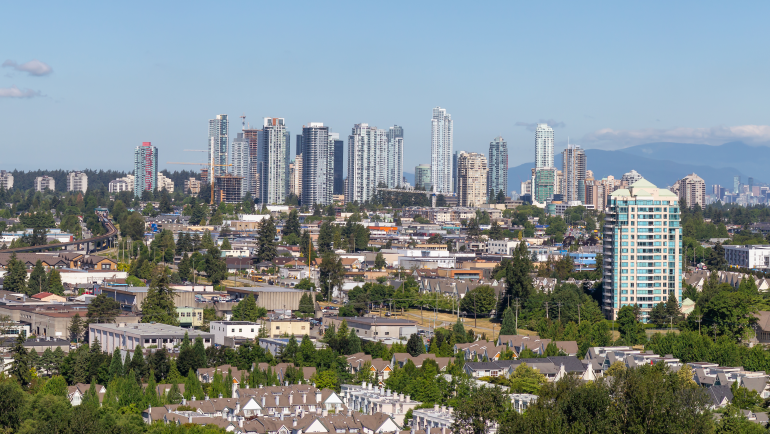
Greater Vancouver is known for its natural scenic wonders. We have the beautiful backdrop of the North Shore Mountains and the Strait of Georgia. There are also magnificent urban parks such as Stanley Park and Burnaby Lake Regional Park. What we don't usually think of is the natural wonders in the heart of residential development and downtown.

What about our yards and balconies? Are they just there to decorate our houses and provide hobbies for gardeners? Far from it. Our yards and balconies can be a valuable natural asset. They can offer food and shelter for wildlife, especially birds. Berry and nectar producing plants can provide life-saving meals for breeding and migrating songbirds (Greater Vancouver is a major stopover for birds using the Pacific Flyway along the west coast). They also can be a safety net for birds living in our green spaces during tough times when because of weather or other factors they are forced to leave the parks and look for food in our yards. Birds might just need this extra help once a year or every few years, but rely on it to be there for them at such critical times.

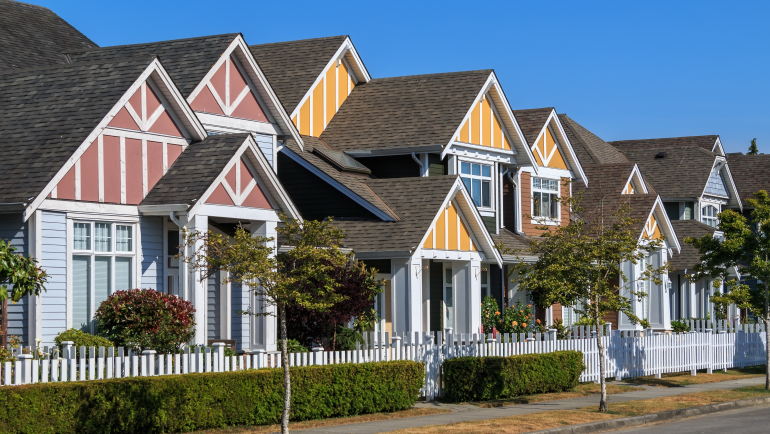
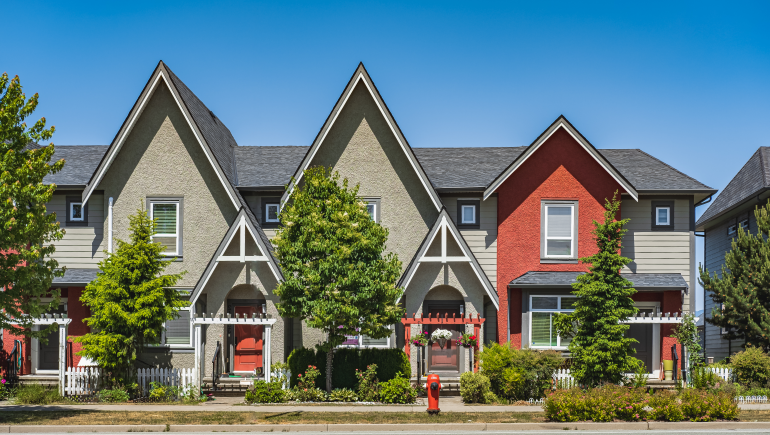
The natural potential of residential property is tremendous. Consider that there are about 300,000 single detached homes in Greater Vancouver, with an average potential area for wildlife of 200 m2. This is equivalent in area to fifteen Stanley Parks! Imagine what fifteen more Stanley Parks will do for wildlife - and ourselves. Add in 15,000 semi-detached houses (with 93 m2 habitat), 45,000 row houses (with 23 m2 each), 300,000 apartments (detached duplex, 5 or more stories, less than 5 stories with 12-46 m2 each) and movable dwellings (2,700 with 1 m2 each) and we can create another Stanley Park!

When we plant our yards we are doing more than providing food for wildlife. Many flowers encourage healthier populations of butterflies, bees and hummingbirds, important pollinators that may move on and help our agriculture industry. Plants also help to remove pollutants from the air, reduce noise, renew our soil, provide aesthetic beauty and stimulate our minds.

An avid gardener greatly benefits birds and pollinators with plantings of annual and perennial flowers. But, although flowers are nice, many of the environmental benefits of plants are derived from their leaves. The more leaves and the bigger they are, the more air pollutants removed and the better the soil. The pollutants end up in or on the leaves that eventually end up in the ground where they decompose and do little or not damage. So a lawn is better than gravel, shrubs are better than grass and trees are the best of all. Trees and shrubs are relatively low maintenance so you don't have to make a major commitment here.

As a bonus, planting for nature builds community spirit. Just like we combine our individual efforts to collectively improve the environment with our recycling boxes, we can collectively improve the natural environment with our individual efforts to plant our yards and balconies. It all adds up. Every property matters.

If you want more information about planting in your yard or balcony for wildlife, or the details of the analysis, you can contact the Douglas College Institute of Urban Ecology or visit their website at www.douglas.bc.ca/iue