|
|||||||
|
|
|||||||
realtylinkonline |
|||||||
| September 2003 Zoning Bylaws – what you need to know
If you’re planning to buy a home, remodel, or build, take note. Local zoning bylaws can affect your decision.
Zoning bylaws impact every aspect of a property and determine whether you can add a garage to your property, remodel your existing home or build a basement apartment.
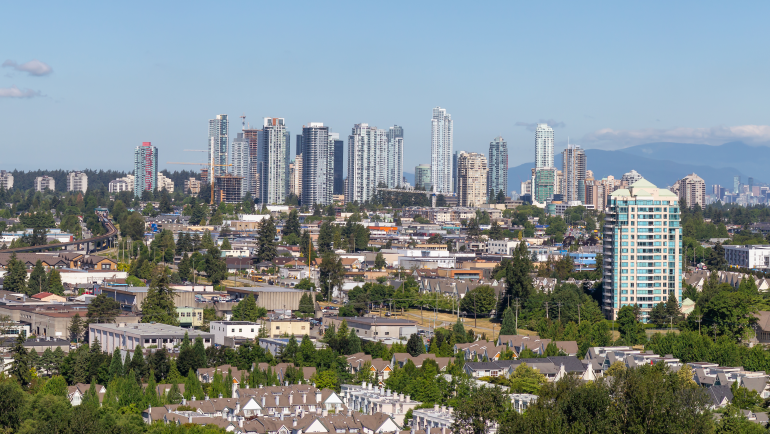
Zoning bylaws are laws that have been adopted by your local municipality as a blueprint for growth and development based on community goals for the future. They were originally created to control land use by establishing standards and separating incompatible land uses into zones, so that, for example, a factory would not be built in a residential area.
Many municipalities carefully plan a balance between the development of housing, shopping centres, industry and the preservation and creation of green space.
Some municipalities have programs to buy residential properties as they come for sale along waterfronts or in wetlands. These areas are then zoned as public land to promote open views and wildlife habitat enjoyment by all residents.
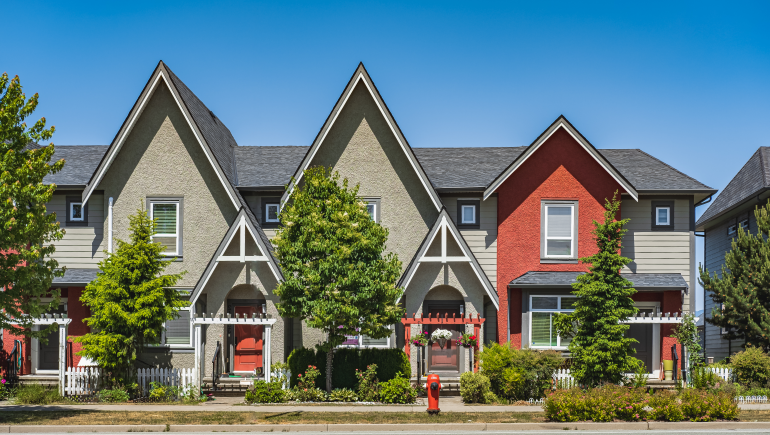
Not all municipalities have the same bylaws and there can be a great deal of variation between them. But municipalities typically separate their land area into zones such as single-family, two-family, multiple dwelling or apartment, commercial, industrial, historic area and limited agriculture.
Within each zone, bylaws specify details for locating and building structures under a rating. This includes lot size, how far dwellings must be set back from the street, building heights, density, floor area, architectural style, landscaping including tree retention and parking requirements.
Before zoning bylaws, residents or businesses built what they wanted without regulation.
When zoning bylaws were adopted there were properties and uses that did not conform to the new zones. These ranged from irregularly shaped lots to corner stores in detached houses to family-run garages in residential neighbourhoods.
To accommodate these properties, known as variances, provisions had to be created within zoning bylaws. These properties are categorized as legal, non-conforming uses. They can be sold, provided the new owner continues to use the property in the same way. Buyers of these properties must understand that even a minor change in property use will require permission by the local municipal Board of Variance. A major change will require a rezoning.
To rezone a property the property owner must submit a rezoning application to the local municipal planning department. The application process is rigorous and can take several months. The owner must include a detailed statement regarding the purpose and the reasons for the proposed rezoning and any tangible public benefits. If the process continues, the rezoning can involve a public hearing. If approved, any changes to the property will be carefully monitored.
For more information ask your REALTOR® or contact your local planning department.
|
|
|
Buyers Section--Search for a Home |
Sellers Section |
Real Estate Boards Section |
Help Page Terms of Use | Privacy | Contact Us | Index Page |